

Winter Pool Care
Swimming Pool Maintenance Tips to Protect Your Equipment from Freezes
Winter in Austin, Texas may not bring blizzards, but when temperatures dip below freezing, it can still spell serious trouble for your pool equipment. Those rare Central Texas freezes can cause burst pipes, cracked pumps, and costly repairs if your pool isn’t prepared.
So how do you protect your pool during cold weather? Let’s dive in.
Check Your Pool Equipment Before It Checks Out
When it comes to Austin swimming pool maintenance, preparation is everything. Before winter temperatures arrive, inspect your pool equipment carefully.
Ask yourself:
- Is your pool pump running properly?
- Do you notice low flow or air leaks?
- Is your equipment already struggling?
Weak flow = frozen pipes. Frozen pipes = expensive repairs.
Putting off repairs until a freeze hits can result in major damage—often when parts are unavailable and service calls are limited.
Pro tip:
The worst time to discover your pump needs repairs is when it’s 25°F outside and everything is closed.
Insulating Pool Equipment: Helpful, But Not Foolproof
Many Austin pool owners ask if insulation alone will protect their pool equipment. The answer? It depends.
As long as your pool pump is running and water is flowing, your plumbing is generally safe. Moving water is your best defense against freezing.
However, if your pump can’t run due to:
- Power outages
- Equipment failure
- Electrical issues
That’s when insulation becomes critical.
What to Do If Your Pump Can’t Run:
- Pull drain plugs from pumps, filters, heaters, and other equipment
- Drain all water to prevent freezing inside components
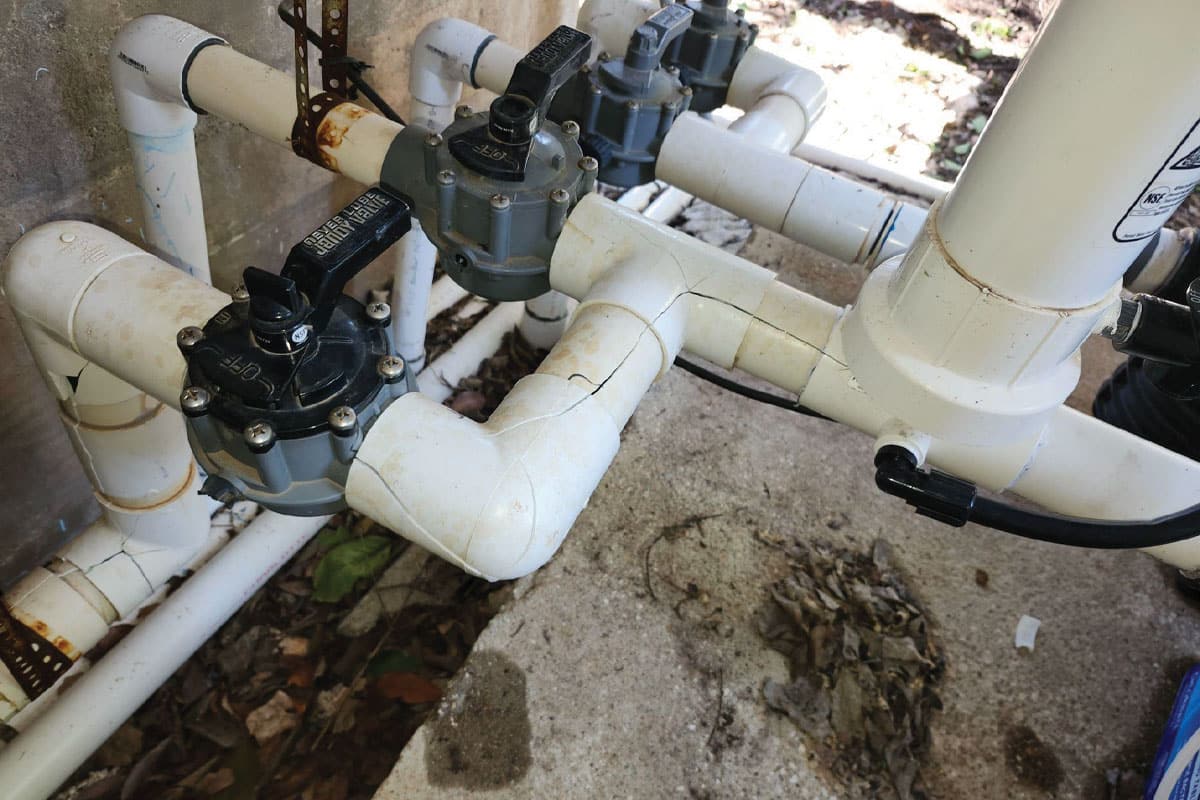
- Wrap pipes and equipment with padded PVC insulation, blankets, or comforters
- Cover insulation with a tarp to keep moisture out
Water can freeze solid in as little as 3–5 hours, especially during overnight freezes.
Note: Saltwater pools freeze only 1–2 degrees lower than fresh water—not enough to prevent damage. Wind exposure and breezeways increase freeze risk significantly.
Freeze Protection Systems: DIY or Call a Pro?
Freeze protection systems automatically turn on your pool pump when temperatures drop. Not all time clocks include this feature, so checking ahead of winter is essential for Austin swimming pool maintenance.
While testing freeze protection yourself is possible, it often requires exposing live wiring—creating a real risk of shock or equipment damage.
If you’re not 100% confident, leave this to professionals.
We recommend scheduling a service check early enough to address issues—but not so early that components fail before winter arrives.
Automatic Pool Levelers: Don’t Forget These
If your pool has an automatic water leveler, freezing weather can be especially damaging.
Your options:
- Fully insulate the fresh water supply line
- Or shut the leveler off entirely before freezing temperatures
Ignoring this step can result in cracked lines and costly replacements.
Didn’t Prepare in Time? Here’s What to Do
If winter weather arrives before you’re ready, don’t panic—quick action can still reduce damage.
Emergency Freeze Protection Steps:
- Pull all drain plugs if equipment sits above or level with the pool waterline
- Drain water from pumps, filters, and heaters
- Use blankets, sleeping bags, or comforters to insulate equipment
- Cover everything with a tarp to keep insulation dry
A little effort during a freeze can prevent major pool equipment repairs later.
Trusted Austin Swimming Pool Maintenance You Can Rely On
Winter may be the season for hot cocoa and ugly sweaters—but it’s no time to leave your pool equipment exposed. Proper preparation now can save you thousands in repairs later.